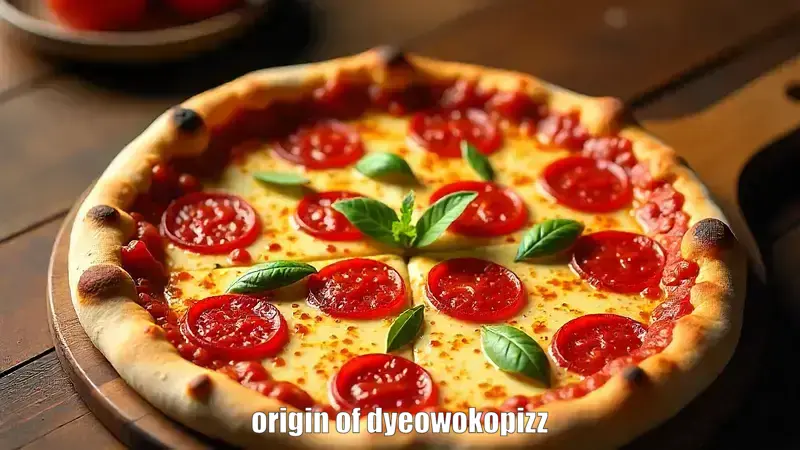
In the vibrant world of fusion cuisine, where global flavors collide to create something entirely new, the origin of dyeowokopizz stands as a testament to Indonesia’s innovative spirit. This dish, a clever blend of traditional pizza with wok-cooked elements, emerged from the bustling streets of Jakarta and Bandung in the early 2020s, capturing the essence of local spices and techniques while reimagining a Western staple. As we unpack its story, we’ll see how this creation not only satisfies palates but also reflects broader cultural and economic shifts.
Tracing the Historical Roots
The origin of dyeowokopizz can be pinpointed to a time when Indonesia’s food scene was ripe for experimentation. Amid rising costs of imported ingredients and a post-pandemic craving for comfort food with a local twist, chefs and entrepreneurs began fusing the familiar flatbread base of pizza with the high-heat stir-frying prowess of the wok. This wasn’t a random mash-up; it drew from centuries-old Indonesian cooking methods, where the wok has long been a kitchen hero for its ability to infuse dishes with smoky depth and quick caramelization.
By 2021, early prototypes appeared in Jakarta’s food trucks, where resourceful cooks wok-tossed vegetables and meats before layering them onto dough. This method preserved crunch and amplified flavors, addressing the common pizza pitfall of sogginess. The origin of dyeowokopizz here lies in necessity—local markets overflowed with affordable spices like sambal and kecap manis, making them natural substitutes for tomato sauce. As word spread, Bandung’s culinary schools jumped in, offering classes that formalized these techniques, emphasizing balance to ensure the crust didn’t get overwhelmed by bold seasonings.
What adds real value to understanding the origin of dyeowokopizz is recognizing its economic backdrop. Indonesia’s youth, armed with social media savvy, turned this into a grassroots movement. Small vendors could compete with international chains by offering affordable, customizable options that felt authentically homegrown. This shift not only boosted local agriculture but also sparked a wave of pride in reinterpreting global foods through an Indonesian lens.
Early Influences and Inspirations
Delving deeper into the origin of dyeowokopizz, we find echoes of colonial history intertwined with indigenous resilience. Dutch and Portuguese influences introduced baked goods to the archipelago, but locals adapted them using available tools like the wok. Inspirations from dishes such as rendang—slow-cooked beef in coconut milk—and ayam geprek, a spicy smashed chicken, provided the protein punch. The wok’s versatility allowed for rapid preparation, ideal for street-side service. Early adopters experimented with heat levels, discovering that a quick char enhanced toppings without compromising the base’s integrity. This hands-on trial phase laid the groundwork, turning a simple idea into a structured culinary art form.
Key Ingredients That Define Dyeowokopizz
At the heart of dyeowokopizz are ingredients that bridge tradition and innovation, each chosen for their ability to elevate the dish. The base starts with a simple dough of flour, yeast, and water, rolled thin to mimic pizza’s classic form but sturdy enough for wok-tossed additions. Sambal, a chili paste bursting with garlic and shallots, often replaces or enhances the sauce, bringing heat and umami that tomato can’t match.
Proteins like ayam geprek chicken or rendang beef are wok-fried briefly to seal in juices, then scattered atop. Vegetables—onions, bell peppers, or even bamboo shoots—get a high-heat treatment for that signature smokiness. Cheese comes in blends: mozzarella for meltiness mixed with local varieties for a tangy twist. Sweet elements, such as kecap manis (sweet soy sauce), drizzle over for caramelized edges.
Exploring the origin of dyeowokopizz through its components reveals practical wisdom. For instance, the wok’s role isn’t just theatrical; it minimizes oil use while maximizing flavor extraction, making the dish healthier than deep-fried alternatives. Home cooks can replicate this by selecting fresh, seasonal produce, ensuring sustainability and cost-effectiveness. This ingredient synergy provides real value, teaching balance in fusion cooking—too much spice overpowers, but the right mix creates harmony.
Variations in Ingredients Across Regions
Regional twists further illuminate the origin of dyeowokopizz. In Sumatra, where spice tolerance runs high, extra chilies amp up the heat. Bali’s versions lean seafood-heavy, with wok-seared prawns adding oceanic notes. Urban Jakarta favors gourmet upgrades like truffle oil, while rural areas stick to basics for everyday appeal. These adaptations show how the dish evolves, offering lessons in customization: start with core elements, then layer local favorites for personalization.
Cultural Significance in Indonesian Society
The origin of dyeowokopizz isn’t just about food; it’s a cultural narrative of adaptation and unity in a diverse nation. Indonesia, with its thousands of islands, uses cuisine to bridge ethnic divides, and this dish exemplifies that. By incorporating household staples like sambal, it honors ancestral recipes while embracing modernity, fostering a sense of national identity amid globalization.
Socially, dyeowokopizz has become a communal staple. Street vendors personalize orders, turning meals into interactive experiences that build community. In a country where food tourism is booming, it attracts visitors seeking authentic yet approachable eats. The origin of dyeowokopizz here ties into resilience—post-2020 economic recovery saw it as a symbol of innovation, supporting small businesses and rural farmers.
For cultural enthusiasts, this significance adds depth. It challenges stereotypes, positioning Indonesia as a culinary innovator rather than a follower. Families use it to teach kids about heritage, blending stories of wok mastery with pizza’s global appeal. This cultural layering provides value, encouraging mindful eating that connects personal tastes to broader societal stories.
Global Cultural Impact
As dyeowokopizz spreads, its origin influences diaspora communities. In places like Singapore or Australia, expatriates adapt it, introducing elements like kimchi for Korean-Indonesian fusions. This global reach underscores cultural exchange, offering insights into how food travels and transforms, enriching international palates.
The Evolution and Modern Variations
From its humble beginnings, dyeowokopizz has evolved into diverse forms, reflecting ongoing creativity. The origin of dyeowokopizz in street food led to premium iterations, where cafes add prosciutto or wild mushrooms for upscale appeal. Limited editions tie into seasons—fruit-topped for summer refreshment or hearty rendang for winter warmth.
Technological boosts, like app-based ordering for custom builds, have modernized it. Vegan adaptations swap chicken for tofu, broadening accessibility. The origin of dyeowokopizz informs these changes: wok techniques remain central, but innovations like gluten-free crusts address health trends.
This evolution teaches adaptability. Cooks can experiment safely by starting small—test one new topping per batch to gauge balance. Such iterative approaches add practical value, mirroring how the dish grew from experiments to staples.
Fusion Experiments and Innovations
Innovators push boundaries, creating Korean-inspired versions with gochujang or Mexican with jalapeños. These experiments honor the origin of dyeowokopizz while inviting global influences, providing recipes for adventurous home chefs to try.
Key Figures and Pivotal Events
While no single inventor claims dyeowokopizz, collective efforts shine. Young entrepreneurs in Jakarta’s food trucks kickstarted it, with Bandung’s educators refining methods. Social media influencers in 2023 viralized wok-tossing videos, propelling nationwide fame.
Pivotal events include 2024’s international adaptations by expatriates, marking global entry. Food festivals now feature it, highlighting collaborative spirit. The origin of dyeowokopizz in these grassroots movements adds inspiration, showing how everyday innovators drive change.
Influential Chefs and Entrepreneurs
Though unnamed in lore, figures like urban chefs blending traditions embody the drive. Their stories offer motivation: start with passion, iterate based on feedback, and scale through community.
How to Prepare Dyeowokopizz at Home
Recreating dyeowokopizz starts with dough: mix 2 cups flour, 1 teaspoon yeast, salt, and water; knead and rest. For toppings, heat a wok, stir-fry chicken with onions and sambal for two minutes. Assemble on rolled dough, add cheese, bake at 220°C for 12 minutes.
Tips: Use a pizza stone for crispiness; balance spices with cheese. Vegan swaps use tempeh. This process demystifies the origin of dyeowokopizz, empowering home cooks with skills for fusion mastery.
Advanced Techniques for Perfection
Master wok heat—high for char, medium for evenness. Layer flavors progressively: sauce first, then proteins, veggies last. These nuances provide expert-level value, elevating simple meals.
Health Benefits and Considerations
Dyeowokopizz offers fiber from veggies, protein from meats, and metabolism-boosting spices. Antioxidants in sambal support immunity. Control portions to manage calories; mild versions suit sensitive stomachs.
The origin of dyeowokopizz in fresh ingredients aligns with holistic health, but watch sodium from kecap. Adaptations like whole-grain dough enhance nutrition, adding dietary value.
Dietary Adaptations
Gluten-free or low-carb options make it inclusive. Plant-based cheeses cater to vegans, ensuring everyone enjoys its benefits without compromise.
Future Trends and Sustainability
Looking forward, dyeowokopizz trends toward eco-friendliness, with sustainable sourcing and plant-based innovations. Apps for recipe personalization predict growth. The origin of dyeowokopizz sets a foundation for these, promising continued evolution.
Global festivals will amplify it, blending more cultures. Sustainability focuses on local farming, reducing footprints.
Conclusion: Embracing the Legacy of Dyeowokopizz
The origin of dyeowokopizz encapsulates Indonesia’s flair for reinvention, turning a simple fusion into a cultural phenomenon. From wok experiments to global adaptations, it offers flavors, stories, and lessons in creativity. Whether cooking at home or exploring variations, its journey inspires appreciation for culinary heritage. Dive into dyeowokopizz—it’s more than a meal; it’s a bridge between worlds.
